



Splenectomies for Pets in Diamond Bar, CA
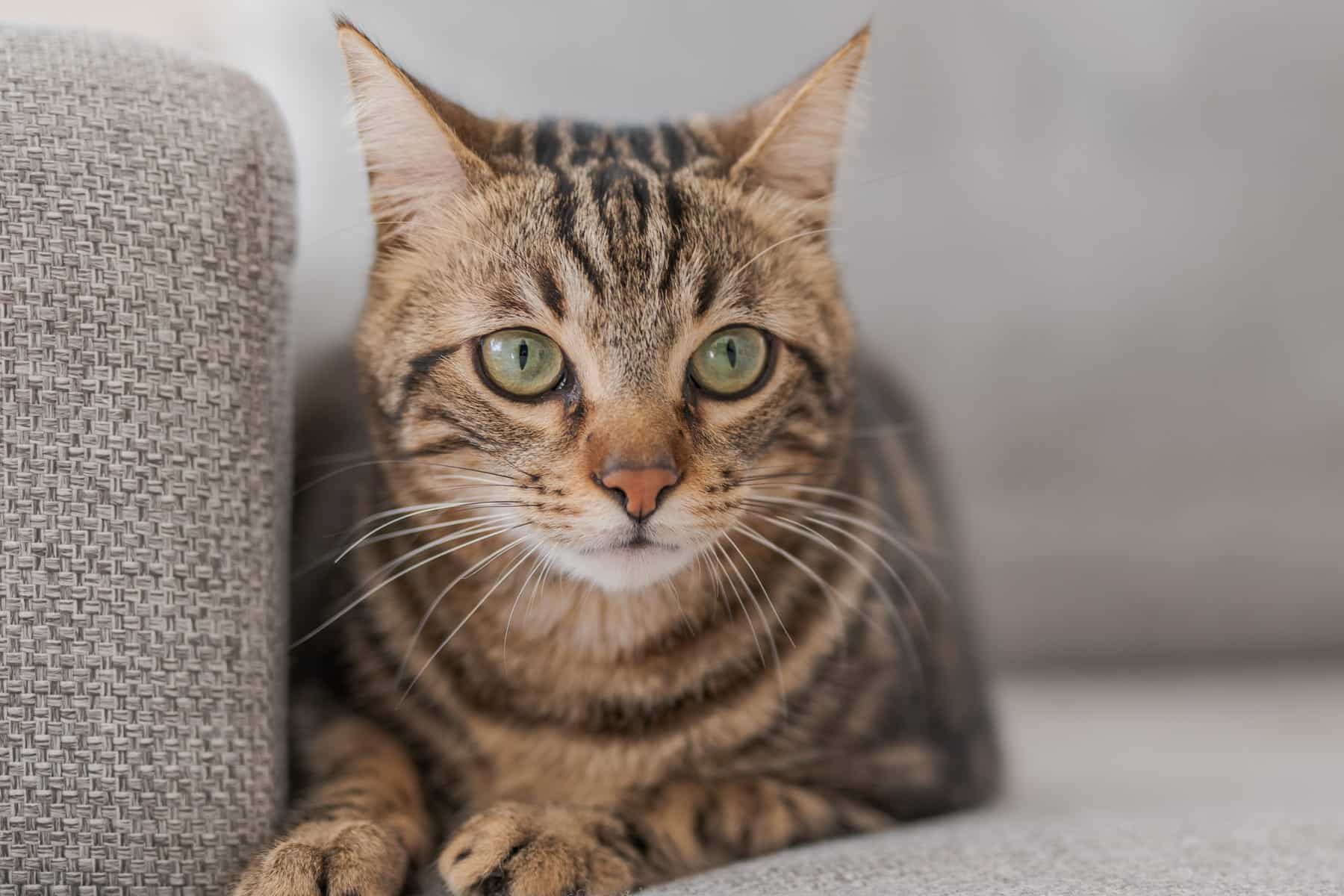
At Sunshine Veterinary Care, we provide splenectomies for pets in Diamond Bar, CA for dogs and cats facing serious spleen-related conditions such as internal bleeding, splenic masses, or traumatic injury. When a pet needs prompt evaluation and thoughtful surgical planning, our team is here to guide families through each step with compassion, clear communication, and personalized care.
What Is a Splenectomy for Pets?
A splenectomy is a surgical procedure that removes a pet’s spleen. The spleen helps with blood storage, immune function, and filtering old blood cells, but there are times when removing it is the safest option. This may be necessary if the spleen is bleeding, has a mass, has twisted, or has been injured.
Some pets need this procedure after testing reveals a serious concern. Others need urgent treatment because they are weak, collapsing, or showing signs of internal bleeding. In either situation, our goal is to identify the problem quickly and recommend care that supports your pet’s safety and recovery.
When Spleen Removal Surgery May Be Recommended
- Bleeding from the spleen
- A splenic mass or tumor
- Trauma to the abdomen
- Torsion or rupture of the spleen
- Severe disease affecting spleen function
Why Would a Dog or Cat Need a Splenectomy?
A dog or cat may need this procedure when the spleen becomes a source of pain, bleeding, or disease. In some cases, imaging reveals a mass that may rupture or has already started bleeding. In others, trauma or a sudden emergency makes surgery necessary. Pets may also need this operation when the spleen is enlarged or no longer functioning as it should.
The reason for surgery can affect both the timing of treatment and the recovery process. That is why we take time to evaluate the full picture, including symptoms, diagnostic findings, and your pet’s overall condition before moving forward.
What Are the Signs My Pet May Need Spleen Removal Surgery?
Pets with spleen-related problems do not always show obvious signs at first. Some may seem mildly tired for a short time, then suddenly worsen. Others may develop symptoms that clearly point to an urgent problem.
Common Warning Signs to Watch For
- Weakness
- Lethargy
- Pale gums
- Collapse
- Distended abdomen
- Pain or discomfort
- Loss of appetite
- Breathing changes
If your pet is showing these signs, especially sudden weakness or collapse, it is important to seek prompt veterinary attention. These symptoms can sometimes be associated with internal bleeding or another abdominal emergency.
Strengthening Our Community, One Pawstep at a Time
What Causes a Splenic Mass in Dogs or Cats?
A splenic mass can develop for different reasons. Some masses are benign, while others may be malignant. Bleeding lesions, enlargement of the spleen, trauma-related changes, and certain cancers can all affect this organ. Because there are several possible causes, it is important not to assume what a mass means without proper testing.
Our team may recommend imaging, bloodwork, and surgical evaluation to better understand what is happening. In some cases, the spleen is removed both to treat the immediate issue and to allow further testing of the tissue.
How Is a Splenectomy Performed for Dogs and Cats?
This procedure begins with a physical exam and diagnostic review. Depending on your pet’s condition, we may recommend bloodwork, imaging, and other pre-surgical testing to help us assess stability and plan treatment. Once surgery is recommended, your pet is placed under anesthesia and closely monitored throughout the procedure.
During veterinary surgery, the abdomen is carefully opened so the spleen can be evaluated and removed safely. Bleeding is controlled, surrounding tissues are examined, and the surgical site is closed once the procedure is complete. Afterward, pets are monitored during recovery and supported with pain management, fluids, and follow-up instructions.
What Testing May Be Needed Before Surgery?
Testing may include:
- Bloodwork
- Imaging
- Assessment of blood loss or anemia
- Evaluation of heart rate, breathing, and overall stability
What Happens During Pet Spleen Removal Surgery?
During the operation, the spleen is separated from nearby vessels and tissues, removed carefully, and the abdomen is checked for bleeding or other concerns. Every case is a little different, so surgical planning depends on what we find and how stable your pet is at the time of care.
How Are Pets Monitored During and After Surgery?
We monitor pets closely under anesthesia and again during recovery. That includes tracking vital signs, pain levels, and overall progress so we can respond quickly if added support is needed. When a case is especially complex, Sunshine Veterinary Care will bring in a team with advanced training when needed.
Is Pet Splenectomy Considered an Emergency Procedure?
Sometimes it is, and sometimes it is not. A pet with a stable splenic mass may have time for diagnostics and planned treatment. A pet with sudden collapse, active bleeding, or severe weakness may need immediate intervention.
Emergency situations can develop quickly, especially when the spleen ruptures or bleeds into the abdomen. That is why sudden symptoms should never be ignored. Prompt evaluation helps determine whether urgent surgery or supportive stabilization is needed.
How Long Does It Take a Pet to Recover From Splenectomy Surgery?
Recovery time can vary based on your pet’s age, overall health, the reason for surgery, and whether the situation was urgent. Many pets need a period of restricted activity while the incision heals and their energy gradually returns. Follow-up visits are important so we can monitor progress and adjust care if needed.
Some pets recover steadily within a few weeks, while others need a longer period of support. We tailor recovery recommendations to the individual patient rather than using a one-size-fits-all plan.
How Do I Care for My Pet After Spleen Removal Surgery?
After surgery, pets need rest, close observation, and careful adherence to discharge instructions. Good aftercare supports healing and lowers the chance of complications.
What Should I Watch for at Home After Surgery?
- Poor appetite
- Vomiting
- Swelling at the incision
- Bleeding or discharge
- Weakness
- Pain that seems to worsen
- Changes in bathroom habits
When Should I Call the Vet During Recovery?
Call if your pet seems unusually tired, refuses food, has vomiting, develops swelling or bleeding at the incision, or appears uncomfortable despite medication. It is always better to ask early if something does not seem right.
Helpful Aftercare Basics
- Restrict activity
- Give medications exactly as directed
- Monitor the incision daily
- Keep follow-up appointments
- Watch appetite, hydration, and comfort closely
Can a Dog or Cat Live a Normal Life After a Splenectomy?
Many pets can do very well after spleen removal. Long-term outlook depends on why the surgery was needed, how quickly the problem was treated, and what follow-up care is required. If the underlying issue is manageable and recovery goes smoothly, pets may return to a comfortable and active routine.
At the same time, it is important to be realistic. Some cases involve more serious disease, which can affect prognosis. We believe in giving families honest guidance while also focusing on the steps that support the best possible outcome.
How Much Does a Pet Splenectomy Cost?
The cost of surgery can vary depending on several factors, including:
- Diagnostic testing
- Urgency of care
- Anesthesia
- Hospitalization
- Surgical complexity
- Pathology or additional treatment needs
Because every case is different, the best way to understand cost is to schedule an evaluation. We can assess your pet’s needs, explain the recommended plan, and discuss what is included in an estimate.
Why Choose Sunshine Veterinary Care for This Procedure?
Choosing the right veterinary team matters when your pet needs a serious abdominal procedure. At Sunshine Veterinary Care, we focus on clear communication, individualized recommendations, and compassionate support from the first visit through recovery.
Families choose our office because we provide:
- Thoughtful, personalized veterinary care
- A warm and welcoming environment
- Urgent and surgical support
- Communication in English, Mandarin Chinese, and Spanish with Dr. Zonram Liao
- A strong commitment to education and accessibility
- A team-based approach for advanced cases when needed
We understand how stressful it is to hear that your pet may need surgery. Our role is to help you make informed decisions and feel supported throughout the process.

Get Compassionate Surgical Care for Your Pet
If your pet may need a splenectomy, Sunshine Veterinary Care is here to provide prompt evaluation, compassionate guidance, and personalized surgical support. Call our office today to schedule an appointment or to get help for an urgent concern.